Page 4 of 5
1 2 3 4 5
BLE Archives - Page 4 of 5 - BLE App Developers
BLE App Developers Navbar

Category: BLE

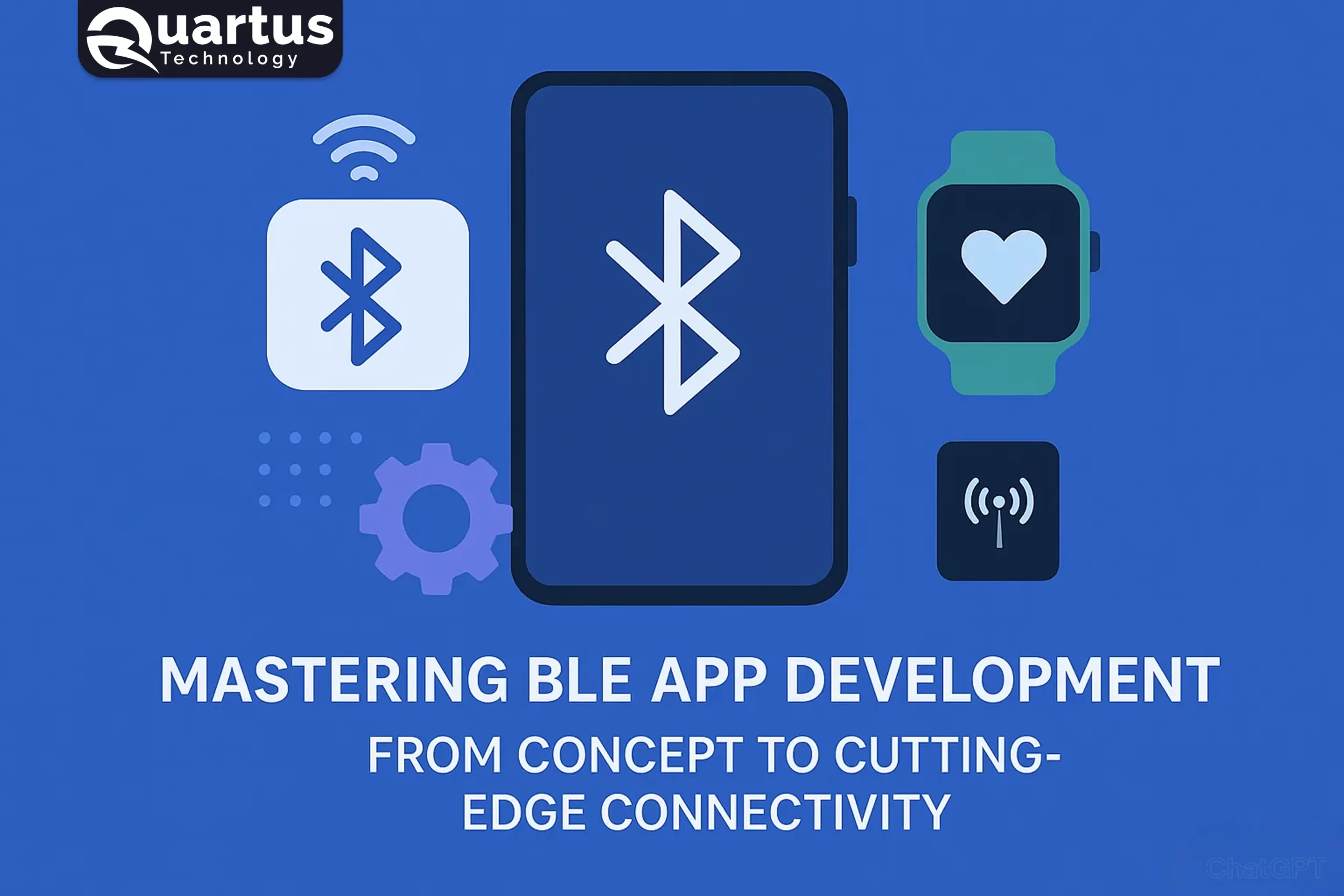
  • Mastering BLE App Development: From Concept to Cutting-Edge Connectivity

    In a world increasingly defined by connected devices and smart interactions, Bluetooth Low Energy (BLE) has become a cornerstone for enabling seamless, low-power communication. But the magic doesn’t just lie in the radio — it lies in the hands of a skilled BLE app developer who can turn hardware into user delight.

    1. Why BLE Matters Today

    BLE (Bluetooth Low Energy), unlike classic Bluetooth, is optimized for energy efficiency. Devices using BLE can run for months or even years on a small battery — making it ideal for:

    • Wearables (fitness trackers, health sensors)
    • Smart home devices (locks, lighting, sensors)
    • Medical / health monitoring
    • Asset & location tracking
    • Beacons & proximity systems

    Because BLE allows continuous or periodic real-time communication with minimal power draw, it’s ideal for applications where always-on connectivity is needed but power is limited.


    2. The Role of a BLE App Developer

    A BLE app developer is more than just a mobile developer — they are the bridge between physical devices and delightful software. Their key responsibilities include:

    • Scanning for BLE devices (advertisements)
    • Establishing, managing, and tearing down BLE connections
    • Working with GATT (Generic Attribute Profile): discovering services and characteristics
    • Reading, writing, and subscribing (notifications/indications) to BLE characteristics
    • Handling background communication (so devices can stay connected when the app isn’t foregrounded)
    • Ensuring data security and encryption
    • Optimizing connection stability, latency, and power usage
    • Cross-platform compatibility (iOS, Android) and hardware diversity

    They must deeply understand the BLE protocol, mobile OS restrictions, and the interplay between hardware and software.


    3. Designing a BLE App: Key Phases

    Here’s a breakdown of the development lifecycle for a BLE application:

    A. Discovery & Planning

    • Define use cases (e.g. health readings, smart control, tracking)
    • Identify device types, data flows, and constraints (power, range)
    • Sketch user flows & interface ideas
    • Prototype device-app interactions

    B. Architecture & Design

    • Modular code structure: separation of BLE logic, UI logic, data models
    • Abstraction layers so BLE engine can be swapped or extended
    • Design for reliability: auto-retries, fallbacks, state recovery

    C. Implementation

    • Use native SDKs (CoreBluetooth for iOS, Android Bluetooth LE API) or cross-platform tools (React Native, Flutter with BLE plugins)
    • Build scanning, connection, data read/write, notifications
    • Manage threading, callbacks, and asynchronous flows
    • Handle background tasks (OS restrictions differ on iOS/Android)

    D. Testing & Optimization

    • Test on real hardware (not just emulators)
    • Emulate edge cases: weak signal, intermittent connectivity, power loss
    • Profile and reduce energy consumption
    • Latency tuning and packet size optimization

    E. Deployment & Maintenance

    • Monitor logs, crash reports, and usage metrics
    • Push firmware updates / remote config
    • Over time, expand features: OTA, mesh networking, advanced security

    4. Challenges & Solutions

    ChallengeSolution / Best Practice
    Background execution limitsUse OS-approved background modes; schedule periodic scanning
    Connection instabilityImplement automatic reconnection logic, BLE error handling
    Power drainBatch operations, increase connection intervals, reduce scanning frequency
    Interference & range issuesUse filtering, RSSI thresholds, retry logic
    Cross-platform discrepanciesCreate abstraction that hides platform differences
    Security & privacyUse pairing, bonding, encryption, validate data integrity
  • How Bluetooth Low Energy (BLE) is Transforming Sports and Fitness

    Sports and fitness are no longer just about physical effort — they’re about data, insights, and smarter performance. Whether it’s tracking your morning jog, monitoring your heart rate during a workout, or analyzing athletic performance at a professional level, Bluetooth Low Energy (BLE) is at the core of this revolution.


    What Makes BLE Perfect for Sports & Fitness?

    Sports and fitness devices often need to be:

    • Lightweight and portable
    • Battery-efficient (nobody wants to charge a fitness band daily)
    • Always connected to smartphones or other devices

    BLE checks all these boxes. It enables real-time data transfer while using minimal energy, making it ideal for wearable gadgets and sports tech.


    Everyday Fitness: BLE in Action

    Here are some of the most common ways BLE powers our daily fitness routines:

    1. Fitness Trackers & Smartwatches

    BLE allows wearables to sync steps, calories, sleep, and workout data with smartphones instantly, without draining the battery.

    2. Heart Rate Monitors

    Chest straps and wrist-based monitors use BLE to continuously send heart rate data to fitness apps or gym equipment, helping athletes train in the right intensity zones.

    3. Connected Gym Equipment

    Treadmills, bikes, and rowing machines use BLE to connect with apps like Zwift, Peloton, or Garmin, creating an interactive workout experience.

    4. Sports Gear

    From BLE-enabled tennis rackets that track swing speed to smart basketballs that monitor dribble patterns, BLE adds intelligence to traditional sports equipment.


    Professional Sports: Taking Training to the Next Level

    BLE isn’t just for casual fitness enthusiasts — it’s making waves in professional sports, too:

    • Performance Monitoring – Wearable sensors track speed, acceleration, and fatigue to optimize training.
    • Injury Prevention – BLE devices analyze biomechanics and load patterns, helping reduce injuries.
    • Team Analytics – Coaches use BLE-powered trackers to monitor players during games in real time.

    With BLE, coaches and athletes have access to data-driven insights that were once impossible to capture.


    BLE and the Future of Fitness

    The future of sports and fitness is personalized, connected, and intelligent — and BLE is leading the charge. Upcoming trends include:

    • Smart clothing with embedded BLE sensors.
    • BLE beacons in gyms to guide users through personalized workout routines.
    • Integration with AI for deeper performance analytics.

    As BLE technology continues to evolve, it will unlock new possibilities for athletes, trainers, and everyday users striving for healthier lifestyles.


    Final Thoughts

    From your morning jog to an Olympic training session, BLE is quietly shaping the way we approach sports and fitness. It’s not just about connecting devices — it’s about connecting people to their own performance, health, and potential.

    👉 Next time you glance at your smartwatch after a workout, remember: it’s Bluetooth Low Energy working hard in the background, so you can train smarter, not harder.

  • BLE in Healthcare – Wearables That Save Lives

    Healthcare is undergoing a massive transformation, and at the center of this revolution is Bluetooth Low Energy (BLE) technology. With the rise of wearable devices, BLE is enabling smarter, faster, and more efficient healthcare solutions that not only track fitness but also save lives.

    How BLE Powers Healthcare Wearables

    BLE, unlike traditional Bluetooth, is designed for low-power, high-efficiency communication. This makes it perfect for medical wearables that need to stay connected 24/7 without draining batteries. Whether it’s a heart rate monitor, a glucose tracker, or a fitness band, BLE ensures continuous data transmission between devices and healthcare apps.

    Life-Saving Applications of BLE Wearables

    1. Cardiac Monitoring
      BLE-enabled ECG monitors can detect irregular heartbeats in real-time and alert patients or doctors immediately. Early detection can literally save lives.
    2. Diabetes Management
      Continuous Glucose Monitors (CGMs) use BLE to send blood sugar levels to smartphones, allowing patients to track trends and avoid critical health risks.
    3. Remote Patient Monitoring
      Doctors can remotely monitor patients’ vital signs through BLE wearables, reducing the need for hospital visits and enabling proactive care.
    4. Emergency Alerts
      BLE-powered fall detection devices instantly send alerts to caregivers or family members, ensuring timely assistance for elderly patients.

    Why BLE is a Game-Changer in Healthcare

    • Energy Efficient: Long battery life ensures continuous health monitoring.
    • Real-Time Data: Instant communication between wearable devices and mobile apps.
    • Cost-Effective: Affordable hardware reduces overall healthcare costs.
    • Seamless Integration: Works across iOS, Android, and medical IoT platforms.

    The Future of BLE in Healthcare

    As healthcare moves toward personalized and preventive care, BLE wearables will continue to expand. From AI-powered diagnosis to smart hospital systems, BLE is building a future where technology doesn’t just track health—it protects and saves lives.

  • BLE App Development: Powering the Future of Wireless Connectivity

    In today’s fast-paced digital world, seamless connectivity is no longer a luxury—it’s a necessity. Bluetooth Low Energy (BLE) technology has emerged as a game-changer, enabling businesses and developers to create smarter, more efficient applications that redefine how devices communicate.

    What is BLE?

    BLE, or Bluetooth Low Energy, is a wireless communication protocol designed for short-range, low-power data transmission. Unlike traditional Bluetooth, which prioritizes continuous data streaming, BLE focuses on efficiency—making it perfect for applications that require frequent but lightweight data exchange.

    Why Businesses Choose BLE App Development

    1. Energy Efficiency – BLE consumes significantly less power, extending battery life for mobile devices, wearables, IoT devices, and sensors.
    2. Seamless Integration – From smartphones to healthcare devices, BLE integrates effortlessly across platforms and ecosystems.
    3. Cost-Effective – Its low energy consumption and simple architecture reduce both hardware and software costs.
    4. Scalability – BLE supports a broad range of applications, from healthcare and retail to logistics and smart homes.

    Key Applications of BLE Apps

    • Healthcare & Fitness: Smartwatches, heart rate monitors, and medical devices rely on BLE to transmit vital health data.
    • Retail & Marketing: Beacons use BLE to send targeted promotions and enhance in-store customer engagement.
    • Smart Homes: From smart locks to lighting systems, BLE powers seamless automation.
    • Logistics & Asset Tracking: BLE tags help businesses monitor inventory and track shipments in real-time.

    The BLE Advantage for Developers

    For developers, BLE offers a flexible ecosystem with robust APIs and SDKs, allowing rapid development and deployment of scalable apps. Whether building for iOS, Android, or cross-platform, BLE ensures reliable connectivity and unmatched performance.

    The Future of BLE App Development

    With the rise of the Internet of Things (IoT) and AI-driven technologies, BLE will continue to be a driving force behind innovative solutions. Businesses adopting BLE now will gain a competitive edge in creating connected experiences for the future.

  • Beyond Boundaries: How BLE App Development is Building a Connected World

    In today’s hyper-connected era, the demand for seamless, efficient, and reliable communication between devices has skyrocketed. Bluetooth Low Energy (BLE) technology has emerged as the backbone of this transformation, enabling applications that transcend industries and borders. From healthcare to retail, transportation to smart homes, BLE app development is reshaping how the world communicates and interacts with technology.

    What is BLE and Why Does It Matter?

    BLE (Bluetooth Low Energy) is a wireless communication technology designed for short-range connectivity with minimal power consumption. Unlike classic Bluetooth, which focuses on continuous data transfer, BLE is optimized for intermittent communication. This makes it ideal for devices that need long-lasting battery life, such as wearables, IoT devices, and sensors.

    BLE matters because it supports global scalability. Whether in New York, London, Tokyo, or Dubai, BLE-enabled applications provide a universal standard for low-energy communication, ensuring consistent experiences worldwide.

    Key Global Applications of BLE App Development

    1. Healthcare and Fitness

    Wearables like fitness bands, heart rate monitors, and glucose trackers rely heavily on BLE. Hospitals worldwide are deploying BLE-powered systems for real-time patient monitoring, ensuring better healthcare delivery across continents.

    2. Retail and Customer Experience

    BLE beacons have transformed retail by enabling location-based marketing and personalized shopping experiences. Major brands globally are leveraging BLE to connect with customers inside stores, creating a seamless journey from digital to physical shopping.

    3. Smart Cities and Transportation

    Cities around the world are adopting BLE technology for traffic monitoring, vehicle connectivity, and public transport solutions. BLE apps make commuting smarter, safer, and more energy-efficient.

    4. Industrial IoT

    From smart factories in Germany to logistics hubs in Singapore, BLE apps enable machine-to-machine communication, inventory tracking, and predictive maintenance. This enhances efficiency on a global scale.

    5. Smart Homes and Lifestyle

    BLE-enabled apps power smart locks, lighting systems, and home automation devices. With their worldwide adoption, homeowners enjoy more control and energy efficiency no matter where they live.

    Why Businesses Worldwide Need BLE App Development

    The global shift towards digital transformation requires businesses to adopt scalable and future-ready solutions. BLE app development offers:

    • Cross-industry applicability
    • Global connectivity standards
    • Low energy costs and sustainability
    • Enhanced customer engagement and experiences

    The Future of BLE on a Global Stage

    With the rise of 5G and AI-driven IoT, BLE is set to play a pivotal role in building a connected world. Its ability to integrate with mobile apps, enterprise systems, and cloud platforms makes it indispensable for the future of communication.

  • BLE: The Smart Way to Connect Multiple Devices Seamlessly

    In an era where every device is becoming “smart,” the real challenge lies in connecting them all without draining batteries or overcomplicating systems. This is where Bluetooth Low Energy (BLE) steps in as a revolutionary technology. Designed to support low-power, reliable communication, BLE enables multiple devices to connect, interact, and exchange data effortlessly.

    What Makes BLE Ideal for Device Connectivity?

    Unlike classic Bluetooth, which focuses on continuous data streaming, BLE is optimized for short bursts of data transmission. This makes it perfect for devices that need to stay connected but don’t require constant communication.

    Key features include:

    • Low Power Consumption – Devices can stay connected for months or even years without frequent charging.
    • Multi-Device Support – BLE can handle connections between multiple devices at once, creating a unified ecosystem.
    • Fast Pairing & Reliable Signals – Connections are established quickly with minimal interference.

    How BLE Connects Various Devices

    BLE has become the backbone of many industries where seamless device connectivity is critical:

    1. Smart Homes – BLE connects smart locks, thermostats, lights, and security systems into a single ecosystem, controllable from a smartphone.
    2. Healthcare Devices – From glucose monitors to heart rate trackers, BLE allows medical devices to communicate with apps and doctors in real time.
    3. Wearables – Fitness bands and smartwatches sync instantly with phones or tablets, keeping users updated on their health and lifestyle.
    4. Retail & Beacons – BLE-powered beacons connect with smartphones to send personalized offers, guiding shoppers through stores.
    5. Industrial IoT – Sensors, machines, and monitoring devices stay connected to optimize workflows and reduce downtime.

    The Future of BLE in Multi-Device Connectivity

    As the Internet of Things (IoT) continues to grow, BLE is becoming a cornerstone of interconnected technology. Its ability to link multiple devices simultaneously while keeping energy usage minimal ensures that businesses and consumers enjoy seamless, cost-effective connectivity.

    From smart homes to healthcare, BLE is transforming how devices talk to each other—and shaping the future of connected living.


    Would you like me to also design a feature image in landscape for this blog (showing interconnected smart devices via BLE)?

  • Bluetooth Low Energy (BLE): Powering the Next Generation of Smart Devices

    In today’s hyperconnected world, seamless communication between devices is no longer a luxury—it’s a necessity. From smartwatches to fitness trackers, home automation systems to healthcare devices, Bluetooth Low Energy (BLE) is at the heart of it all. Designed for efficiency, BLE offers high performance while consuming minimal power, making it the go-to choice for modern wireless communication.

    What is Bluetooth Low Energy (BLE)?

    Bluetooth Low Energy is a wireless communication technology developed as part of the Bluetooth 4.0 standard. Unlike classic Bluetooth, which focuses on continuous data streaming, BLE is optimized for short bursts of data transfer. This unique design allows devices to stay connected without draining their batteries—ideal for IoT and portable gadgets.

    Key Benefits of BLE for Devices

    1. Low Power Consumption
      BLE devices can run for months, or even years, on a single coin-cell battery, making them perfect for wearables and medical sensors.
    2. Cost-Effective
      With its simple architecture, BLE reduces both hardware and energy costs while ensuring reliable communication.
    3. High Compatibility
      BLE is supported by all major mobile platforms, including Android, iOS, and Windows, ensuring smooth integration.
    4. Fast Connectivity
      BLE connects in milliseconds, ensuring instant communication between devices without noticeable delays.
    5. Scalability
      Whether for personal gadgets or large-scale IoT networks, BLE is versatile enough to handle diverse applications.

    Applications of BLE in Bluetooth Devices

    • Wearables & Fitness Trackers: Monitoring steps, heart rate, and sleep patterns.
    • Healthcare Devices: Glucose meters, ECG monitors, and remote health tracking.
    • Smart Homes: BLE enables automation in lighting, security systems, and appliances.
    • Retail & POS Systems: Location tracking and contactless payment solutions.
    • Automotive: BLE is used in keyless entry systems and infotainment connectivity.

    Why Businesses Are Adopting BLE

    As the Internet of Things (IoT) grows, BLE stands out as a reliable, secure, and energy-efficient technology. Businesses are leveraging BLE to build innovative, user-friendly products that enhance customer experience while keeping operational costs low.

    The Future of BLE

    With advancements in Bluetooth 5.0 and beyond, BLE is becoming faster, more secure, and capable of longer-range communication. From smart cities to AI-driven healthcare, BLE is set to redefine how devices communicate in a connected ecosystem.

  • Unlocking the Power of BLE: How Bluetooth Low Energy is Transforming Connectivity

    In today’s hyper-connected world, seamless communication between devices has become a necessity. From wearables to smart homes, Bluetooth Low Energy (BLE) has emerged as the silent driver powering this transformation. But what exactly makes BLE such a game-changer? Let’s dive in.

    What is BLE?

    Bluetooth Low Energy is a wireless communication technology designed for short-range connectivity with minimal power consumption. Unlike classic Bluetooth, BLE is built to handle small bursts of data while maximizing battery life, making it ideal for devices that need to run for months or even years without frequent charging.

    Why BLE Matters

    1. Energy Efficiency – Devices using BLE can run on tiny coin-cell batteries for extended periods.
    2. Cost-Effective – BLE chips are affordable and widely supported across smartphones and IoT devices.
    3. Scalable Applications – Whether you’re connecting a single smartwatch or thousands of sensors in a smart building, BLE adapts seamlessly.
    4. Wide Compatibility – Supported by almost all modern mobile devices, BLE ensures broad accessibility.

    Key Applications of BLE

    • Wearables & Fitness Devices: From smartwatches to heart-rate monitors, BLE ensures real-time tracking without draining your battery.
    • Smart Homes: BLE enables lights, locks, and appliances to connect efficiently, bringing automation to life.
    • Healthcare: Medical sensors and patient monitoring systems rely on BLE for accurate, continuous data transmission.
    • Retail & Proximity Marketing: BLE beacons power location-based offers and personalized customer engagement.
    • Industrial IoT: BLE streamlines asset tracking, predictive maintenance, and factory automation.

    The Future of BLE

    As the Internet of Things continues to grow, BLE is set to play a vital role in creating a more connected and energy-efficient world. With advancements like Bluetooth 5.0 and beyond, expect faster speeds, longer ranges, and greater device capacity, making BLE the backbone of next-generation connectivity.


    👉 Conclusion: BLE isn’t just about connecting devices—it’s about enabling smarter, more efficient ecosystems. From consumer gadgets to industrial networks, its impact is everywhere. If you’re exploring IoT solutions, BLE should be at the top of your technology stack.

  • Designing Smarter with BLE: A Guide for Modern Product Designers

    Bluetooth Low Energy (BLE) has become one of the most important wireless technologies powering today’s connected devices. From smartwatches to healthcare monitors, BLE helps designers create solutions that are lightweight, energy-efficient, and future-ready. But for product designers, BLE isn’t just about connectivity—it’s about creating experiences that feel seamless, intuitive, and user-centered.

    Why BLE Matters in Design

    BLE was built with efficiency in mind. Unlike classic Bluetooth, it consumes minimal power while maintaining strong connectivity. This makes it perfect for IoT devices, wearables, and smart home products—areas where design and user experience matter just as much as technical performance.

    Key benefits for designers include:

    • Compact form factors: Small BLE modules fit perfectly in sleek, minimal hardware designs.
    • Long battery life: Users expect months of performance from a single charge.
    • Cross-platform compatibility: BLE works across smartphones, tablets, and other smart devices, ensuring wider adoption.

    Design Principles for BLE Devices

    When integrating BLE into a product, designers should focus on:

    1. User-Centric Approach – The end experience matters more than raw specs. For example, a fitness tracker should feel natural and deliver data effortlessly through BLE.
    2. Power Efficiency – Hardware and software must work together to balance performance with long battery life.
    3. Seamless Connectivity – Designing simple, intuitive pairing flows avoids frustrating user experiences.
    4. Aesthetic Integration – BLE modules should not compromise the product’s visual or ergonomic design.

    Challenges Designers Face

    • Complex Configurations: Designing for BLE requires considering signal range, data throughput, and interference.
    • Security Concerns: Protecting user data with encryption and secure connections is critical.
    • Evolving Standards: BLE continues to evolve with features like Bluetooth 5.3, demanding constant updates in design strategies.

    The Future of BLE in Design

    Looking ahead, BLE is set to power more contactless experiences, medical-grade wearables, and smart cities. Designers who understand both the technical possibilities and human-centered design principles will be at the forefront of innovation.

  • Unlocking the Power of BLE: The Future of Smart Connectivity

    In today’s hyper-connected world, seamless communication between devices has become more important than ever. From smartwatches that track our health to retail beacons that personalize shopping experiences, Bluetooth Low Energy (BLE) has quietly emerged as the backbone of modern wireless communication.

    What is BLE?

    BLE, short for Bluetooth Low Energy, is a wireless communication technology designed to transfer small amounts of data efficiently while consuming minimal power. Unlike traditional Bluetooth, which was built for constant, high-speed data streaming, BLE is optimized for applications that require low energy consumption and periodic data exchange.

    This makes BLE the go-to choice for IoT devices, healthcare wearables, smart home products, and location-based services.

    Why BLE is Transforming Industries

    1. Energy Efficiency
      Devices powered by BLE can run for months or even years on a single coin-cell battery. This makes it ideal for wearables like fitness trackers, medical sensors, and smart tags.
    2. Low-Cost Deployment
      BLE modules are affordable and easy to integrate, lowering the barrier for businesses to adopt connected solutions.
    3. Range & Flexibility
      BLE offers a range of up to 100 meters (depending on the environment), enabling applications from indoor navigation in malls to industrial asset tracking.
    4. Interoperability
      Since BLE is part of the Bluetooth 4.0+ standard, it works across billions of devices, ensuring smooth connectivity between smartphones, tablets, and IoT gadgets.

    Real-World Applications of BLE

    • Healthcare: Remote patient monitoring, blood glucose meters, and wearable ECG devices.
    • Retail: BLE beacons personalize in-store experiences by sending promotions or guiding customers.
    • Smart Homes: Connected locks, lights, and thermostats that respond instantly to user preferences.
    • Industrial IoT: Asset tracking, predictive maintenance, and warehouse management.

    The Future of BLE

    With the rise of 5G and IoT ecosystems, BLE continues to evolve. BLE 5.0 and beyond offer higher data transfer speeds, longer ranges, and improved mesh networking capabilities, making it a vital enabler for the smart cities of tomorrow.

    In short, BLE is more than just a wireless standard—it’s the foundation of next-generation connectivity, bringing intelligence, efficiency, and personalization into our daily lives.